
Key takeaways
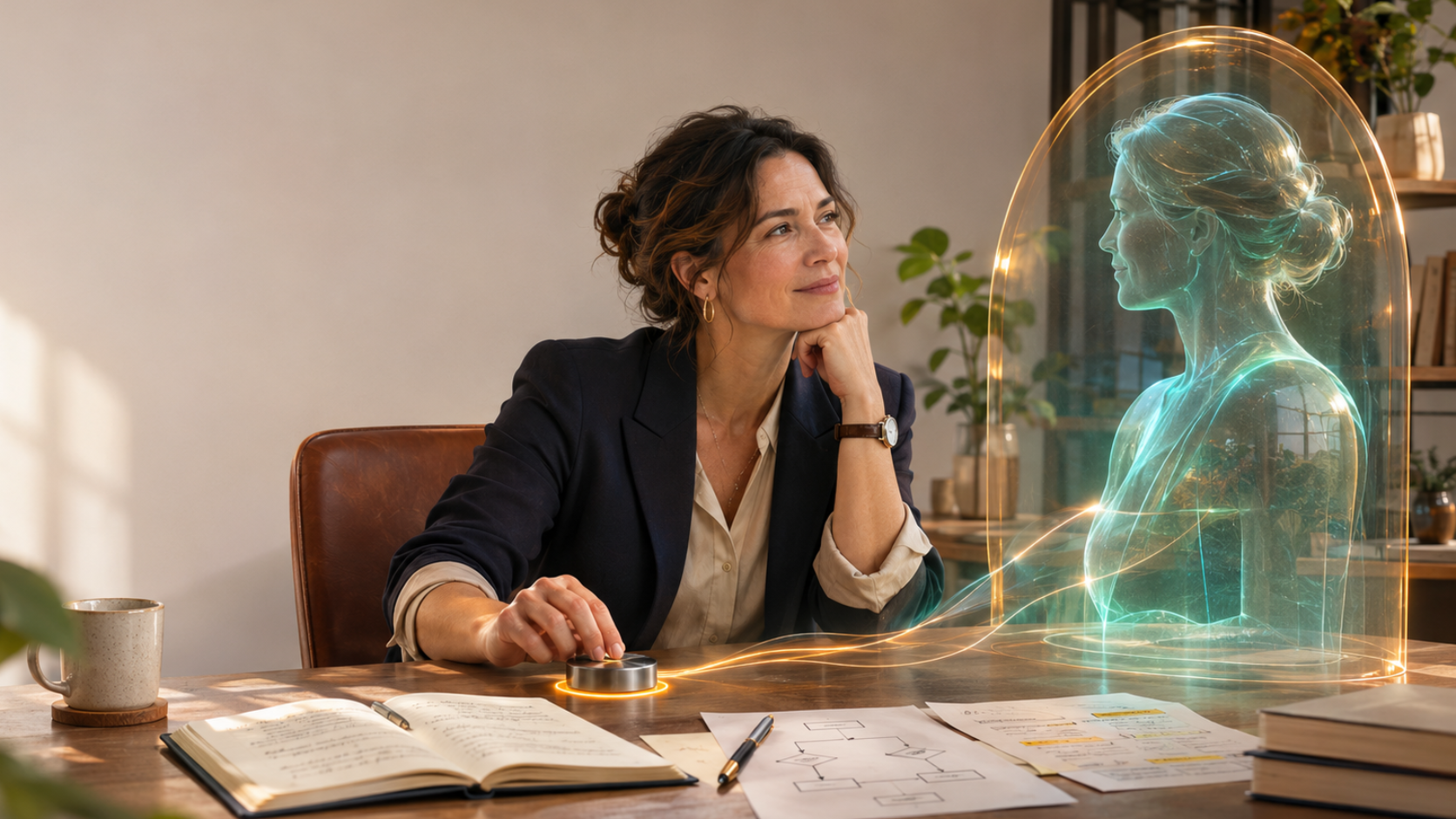
- An AI twin is an AI model trained to look, sound, write or think like a specific person. A human digital twin goes further: it represents someone’s professional capability, their skills, knowledge and judgement.
- The technology is the easy part. The question that matters is who owns the twin: the platform, the employer, or the person it represents.
- Allied’s answer is DigitalMe℠: a human digital twin owned by the individual and licensed by them to organisations. The person keeps the asset and the value it creates.
Creating an AI version of yourself has never been easier. Upload a few minutes of video and a voice sample, and a growing number of tools will produce an avatar that looks and sounds like you. Feed in your documents and emails, and others will produce a chatbot that answers the way you would.
Most of the conversation about AI twins is about what they can do. Much less of it is about who owns them, what happens to them when you change jobs, and who benefits from the value they create. That’s the question this guide is about.
What is an AI twin?
An AI twin is an AI model trained on a specific person’s data so that it can look, sound, write or respond like them. Most AI twins today fall into one of two groups:
- Likeness twins copy your appearance and voice, typically for video, presentations or customer messages.
- Knowledge twins are trained on your writing, documents and decisions, so they can answer questions or draft work the way you would.
What is a human digital twin?
A human digital twin is a digital representation of a person’s professional capability: their skills, working knowledge, decision patterns and experience. It’s built from the work someone actually does, under their supervision, and can be consulted on their behalf within limits they set.
Where a likeness twin copies what you look like, a human digital twin captures what you know and how you work. We explain the concept in more depth in What Is a Human Digital Twin?
AI twin vs human digital twin: the difference
| AI twin (as most tools offer it) | Human digital twin | |
| What it copies | Appearance, voice or writing style | Professional skills, knowledge and judgement |
| What it’s for | Content, avatars, quick answers | Extending what a person can do at work |
| Built from | A few uploaded samples | A person’s real working record, over time |
| Who usually owns it | Often unclear; set by the platform’s terms | Should be the individual (in Allied’s model, it is) |
| Main risk | Misuse of your likeness | Your expertise becoming someone else’s asset |
Why ownership is the real question
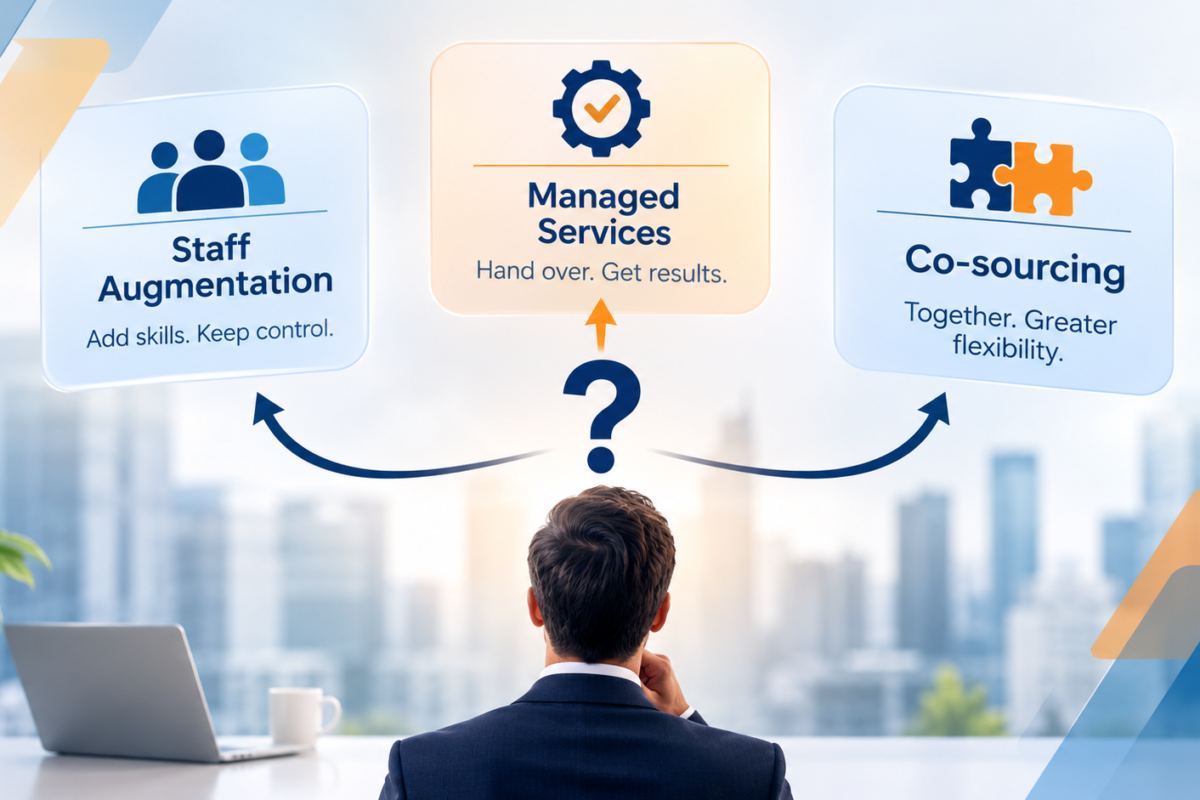
Every AI twin answers a question most people never ask out loud: do you own your digital capability, or does it own you? That’s what we call Ownership vs Asset, and there are three possible answers:
- The platform owns it. Your twin lives on someone else’s service, under terms that may let them use what you uploaded. Leave the service and your twin may stay behind or disappear.
- Your employer owns it. Your expertise is captured as a company asset. When you leave, the organisation keeps a digital version of what you knew, and you don’t.
- You own it. The twin goes where you go. You decide who can use it, for what, and on what terms, and you share in the value it creates.
The incentives are completely different. A twin owned by a company is built to extract as much value as possible before you leave. A twin owned by you is built to grow your capability across every role you ever hold.
Who owns your AI twin today?
If you’ve already created an AI twin, the answer is in the terms you agreed to. Before you create one, check:
- Who owns the model trained on your data, and who owns what it produces?
- Does the service get a licence to use your voice, image or content, and for how long?
- Can you download, move or delete your twin completely?
- If your employer set it up, what happens to it when you leave?
- Who else can access or consult your twin, and can you see when they do?
The law is starting to catch up
Regulators are beginning to treat a person’s likeness as something they should control. In 2025, Denmark proposed amending its copyright law to give people rights over realistic digital imitations of their face and voice, and the European Parliament’s research service has since asked whether that approach could be a model for the EU.
That debate is mostly about deepfakes and likeness. But the same principle, that a digital version of you should belong to you, applies just as strongly to a twin of your professional knowledge.
What is digital sovereignty, and why does it matter here?
Digital sovereignty usually describes a country or organisation controlling its own data and technology. Applied to people, it means individuals controlling their own digital assets: their data, their likeness and, increasingly, their digital capability. A person-owned human digital twin is digital sovereignty at the level of the individual.
What employers should get right
- Agree ownership before anything is built. Write down who owns the twin and what it can be used for.
- Get real consent. Not a clause buried in an employment contract, but a clear, revocable choice.
- Set boundaries. Decide which topics a twin can be consulted on, by whom, and how its outputs are reviewed.
- Plan for leaving. Agree what happens to the twin when someone changes role or leaves.
- Keep company systems separate. An organisation’s own processes belong in an Enterprise Digital Twin, which the organisation owns. A person’s capability belongs in their own twin.
How Allied approaches this: DigitalMe℠
At Allied, our human digital twin is called DigitalMe℠. It is owned by the individual, not by their employer or by us, and licensed by that person to the organisations they work with. The person owns the asset and the value it creates.
- The person decides what their DigitalMe℠ draws on, what it can be consulted on, and who can consult it.
- It extends what someone can do; it doesn’t act autonomously outside the limits they set or make decisions where accountability sits with a person.
- It travels with the individual when they change roles or employers.
DigitalMe℠ also works alongside digital workers: a digital worker handling a ticket can consult a specialist’s DigitalMe℠, with permission, before passing the work on.
The thinking behind it is Original Augmented Intelligence (OAI), the founding principle of Allied founder Richard Skellett: technology exists to augment human capability, not replace it, and the people whose capability creates value should own it.
Conclusion
AI twins are going to become ordinary, the way email signatures and profile photos did. The technology will keep improving. What matters is deciding now who owns a digital version of you, before the default is decided for you. If it captures your expertise, it should be yours.
Want to explore how DigitalMe℠ could work for your people? See our Human Digital Twin & DigitalMe℠ offering, or talk to our team.
Frequently asked questions
What is an AI twin?
An AI twin is an AI model trained on a specific person’s data so it can look, sound, write or respond like them.
Can I create an AI twin of myself?
Yes. Many tools now offer voice, video or chat twins. Before you do, check who owns the model, what licence you’re granting over your data, and whether you can delete it completely.
Who owns an AI twin?
It depends on the terms of the service or agreement used to create it. Ownership can sit with the platform, the employer or the individual. In Allied’s DigitalMe℠ model, the individual owns their twin.
What is the difference between an AI twin and a human digital twin?
An AI twin usually copies how someone looks, sounds or writes. A human digital twin represents their professional capability, their skills, knowledge and judgement, and is built from their real working record.
What happens to my digital twin if I leave my job?
That depends on who owns it. If your employer owns it, it may stay with them. If you own it, as with DigitalMe℠, it goes with you.